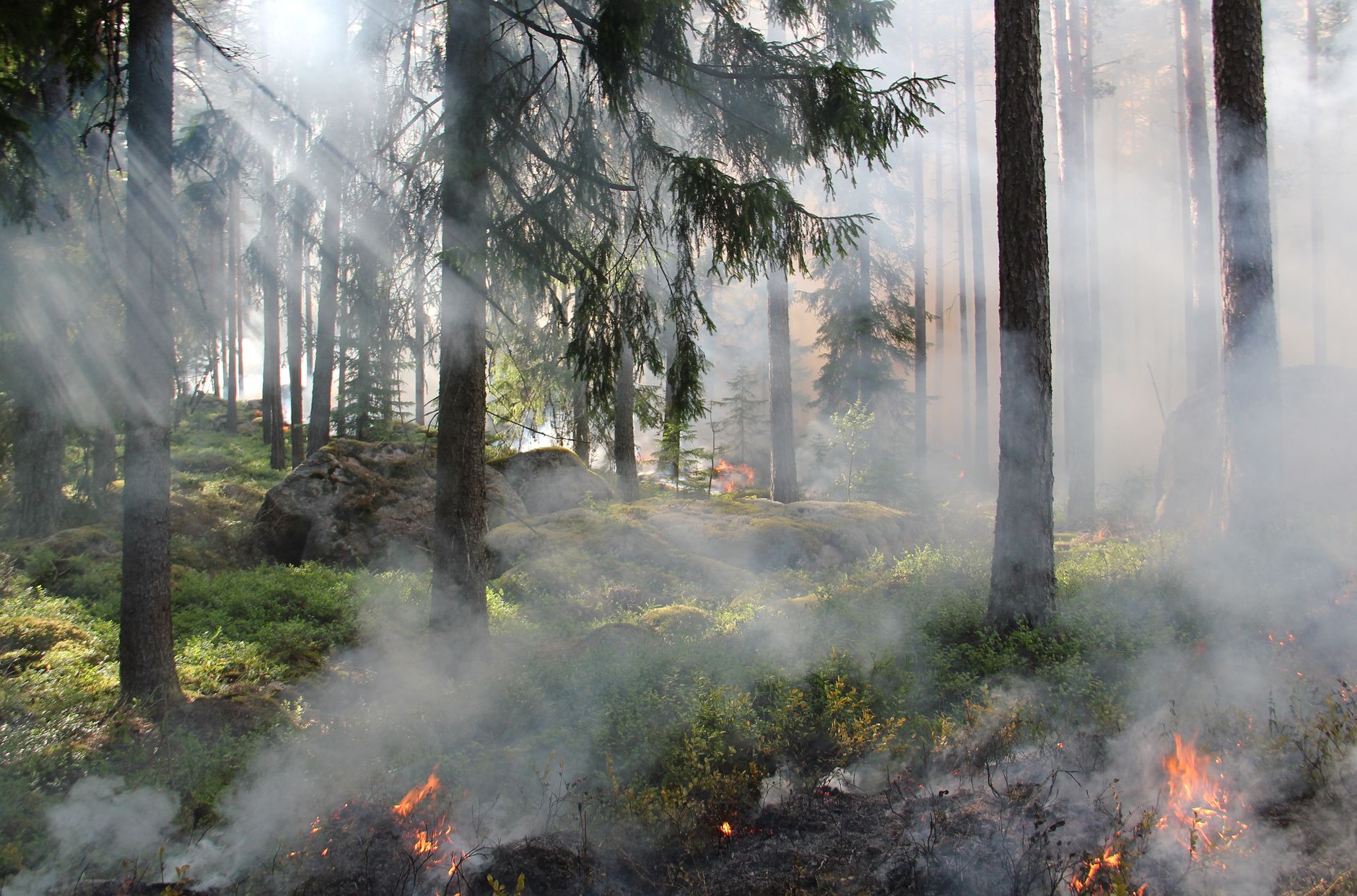
A new scientific study reveals that wildfire smoke is reversing decades of public health progress regarding air quality. Researchers at the University of Maryland found that pollution from escalating wildfires has become a greater prenatal threat than traditional industrial emissions and vehicle exhaust.
Exposure to toxic smoke during pregnancy significantly increases the risk of premature birth and low birth weight, leading to potential lifelong health complications for newborns. The research highlights that low-income, rural, and indigenous populations bear a disproportionate burden of this environmental crisis.
As climate change drives warmer and drier conditions, wildfires are becoming more intense and destructive. Addressing this growing health hazard requires urgent global action to curb greenhouse gas emissions and manage forest ecosystems.
- Wildfire smoke now outweighs traditional industrial air pollution.
- Prenatal exposure raises the risk of premature births and low weight.
- Low-income and rural populations face disproportionate health burdens.
- Climate change drives more intense wildfires and toxic smoke.
Sources: