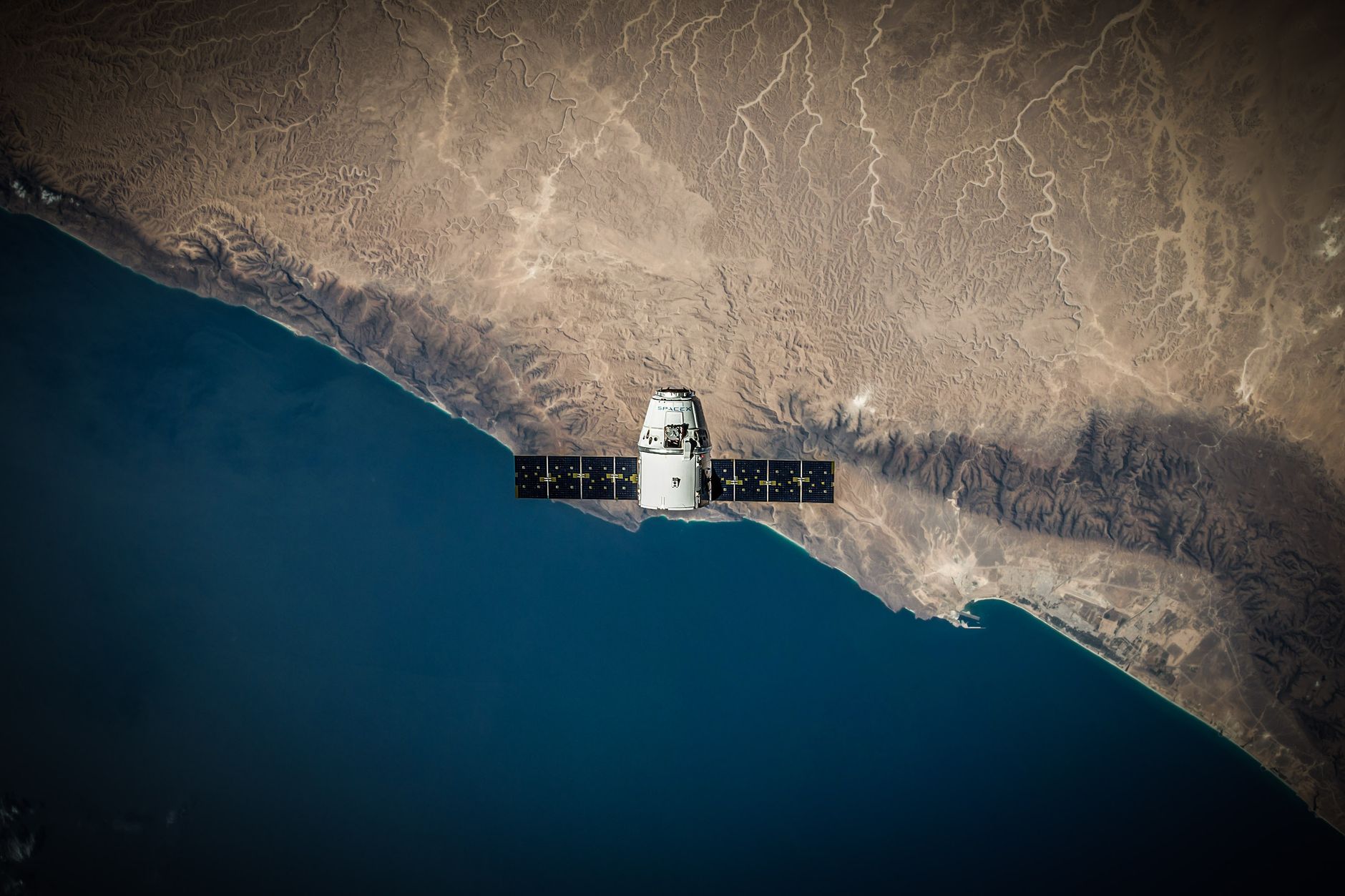
Northrop Grumman is pioneering a new era of orbital satellite servicing as its Mission Extension Vehicle successfully detached from an Australian Optus communications satellite. The spacecraft spent over a year keeping the communications satellite properly positioned in orbit, effectively compensating for depleted fuel supplies and maximizing the asset’s commercial return.
This transition paves the way for advanced robotics in space, featuring robotic arms and modular propulsion pods developed alongside DARPA. These next-generation systems aim to service high-value geostationary satellites, keeping them operational for years beyond their original design life.
The shift toward in-orbit repair and maintenance promises to revolutionize the economics of satellite operations by reducing waste and avoiding costly replacements. As autonomous docking technologies improve, servicing vehicles like the MRV could become standard infrastructure for both commercial and defense space assets.
- MEV spacecraft detaches from Optus satellite after successful life extension.
- New MRV features advanced robotic arms and modular propulsion pods.
- In-orbit servicing aims to reduce waste and lower operational costs.
- Autonomous docking enables complex maintenance and refueling missions.
Sources: