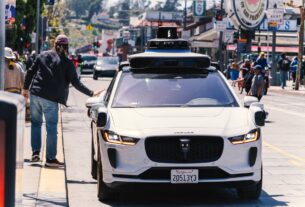
Alphabet’s autonomous vehicle subsidiary, Waymo, is experiencing significant growth in its commercial robotaxi operations, now averaging 500,000 paid rides weekly across 15 U.S. cities. However, data reveals a highly concentrated deployment strategy, with roughly 80% of its approximately 4,000 vehicles operating strictly within California and Texas.
Texas has emerged as a primary hub for this rapid scaling, registering a nearly 50% surge in its local fleet over a brief three-week period. This expansion is heavily driven by the rollout of the “Ojai,” a newly introduced minivan built by China-based Zeekr and retrofitted with Waymo’s sixth-generation autonomous driving system and Google’s Gemini AI assistant.
Despite steep U.S. import tariffs on Chinese-manufactured vehicles driving up expenses, Waymo continues to absorb the added costs to accelerate its path toward commercial profitability. Research indicates the company is on track to import thousands of these new vehicles by year’s end, aiming for further deployment in emerging markets like Florida and Las Vegas.
- Waymo now averages 500,000 paid weekly rides across 15 U.S. cities.
- About 80% of its 4,000 robotaxis are concentrated in California and Texas.
- Texas fleet grew by nearly 50% recently, fueled by the new Ojai minivan.
- The Ojai is a modified Zeekr vehicle equipped with Waymo’s autonomous tech and Gemini AI.
Sources: